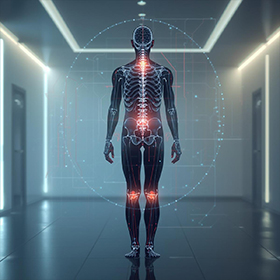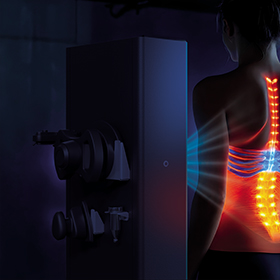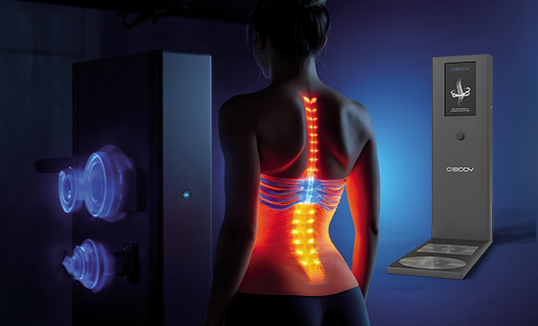



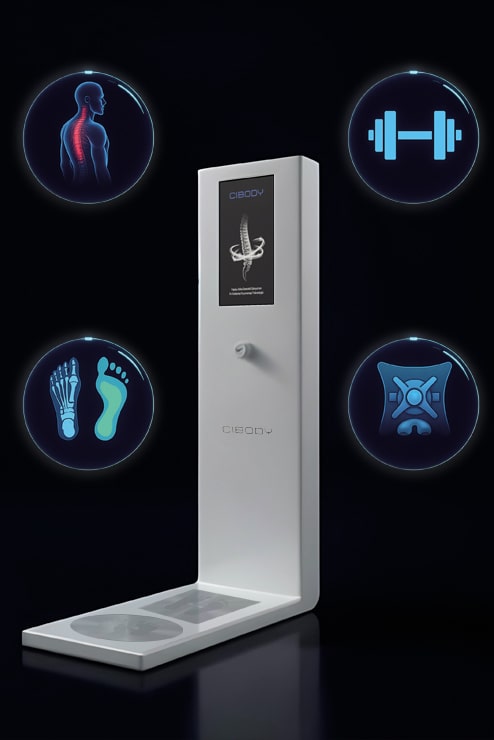
Posture Analysis is the systematic evaluation of body alignment, symmetry, and biomechanical balance to identify postural deviations that may lead to pain, movement dysfunction, and musculoskeletal disorders. It is a core clinical process used by physiotherapists, posture specialists, and healthcare professionals to understand how the body adapts to gravity and daily movement demands.
With digital posture analysis systems, posture analysis has evolved from subjective visual observation into an objective, measurable process. AI-powered posture analysis technology detects head position, shoulder imbalance, spinal deviations, pelvic tilt, knee alignment, and foot posture with high accuracy, providing reliable data for clinical decision-making.
Posture Analysis reveals the hidden biomechanical patterns behind pain, imbalance, and movement inefficiency.
Traditional posture analysis methods depend largely on clinician experience, which can vary between assessments. In contrast, AI-based posture analysis standardizes the evaluation process using anatomical landmarks, angle calculations, and symmetry algorithms, ensuring consistent results, higher diagnostic accuracy, and improved patient confidence.
Posture Analysis: The Foundation of Evidence-Based Postural Evaluation
Posture analysis forms the foundation of comprehensive musculoskeletal assessment. By analyzing the body from multiple views, clinicians can identify compensatory strategies that affect gait, balance, spinal loading, and overall functional performance. When integrated with digital posture analysis software, this approach supports early diagnosis, personalized treatment planning, and objective progress tracking.
- Analyzes head, spine, shoulder, pelvis, knee, and ankle alignment with clinical precision.
- Delivers objective posture analysis data through AI-powered measurement algorithms.
- Supports evidence-based practice in physiotherapy, orthopedics, sports science, and rehabilitation.
- Improves patient engagement with clear visual posture reports and measurable outcomes.
- Reduces evaluation errors by eliminating subjective visual estimation.
Posture Analysis is not only used to assess current postural deviations but also to prevent future injuries and chronic musculoskeletal conditions. By identifying imbalances at an early stage, professionals can optimize corrective strategies, enhance movement efficiency, and support long-term postural health. Combined with AI-driven posture analysis systems, posture evaluation becomes faster, more accurate, and scalable for modern clinical environments.