CIBODY
A New Era in Therapy with Smart Technology
CIBODY takes your clinic into the future with AI-powered analysis, manual therapy support, and exercise planning. It instills confidence in your patients, saves you time, and makes a difference in treatment processes.
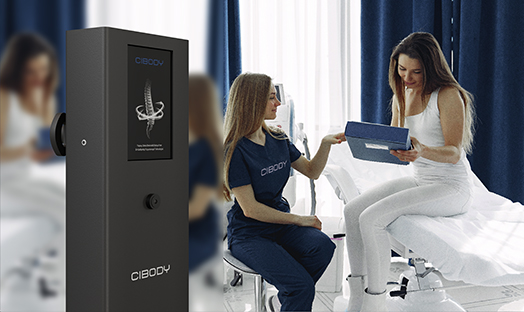

Smart Analysis Technology
Minimizes errors with AI-powered measurements.

Posture and Foot Analysis
Provides accurate assessment and effective solutions with personalized data.

Manual Therapy Support
Enhances treatment efficiency with muscle-relaxing therapy module heads.

Exercise Planning
Generates a personalized plan for the patient within seconds based on analysis data.
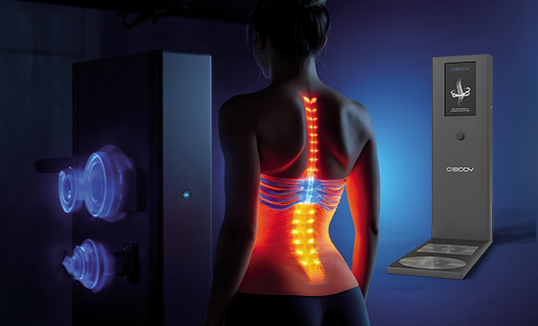
Buy CIBODY
Invest in Your Clinic’s Future
Add lasting value to your clinic by purchasing CIBODY. Make a difference with long-term gains, a strong brand image, and full ownership benefits.
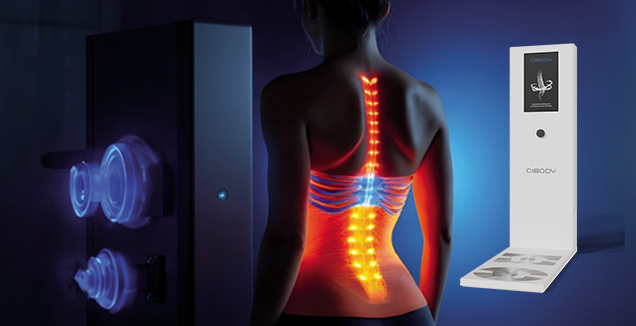
Rent CIBODY
Get Technology Instantly
Access CIBODY technology immediately without straining your budget. Gain high efficiency at low cost with our flexible rental model.

CE Certified Product
Safe technology approved to European standards.

ISO 13485 Certified
Compliant with medical device management systems.

UTS Approved Device
Registered and approved safe device by the Ministry of Health.

100% Locally Developed Technology
Completely domestically produced with national engineering expertise.