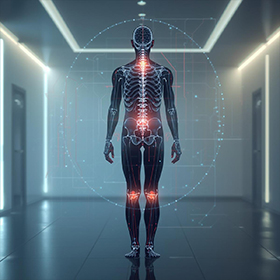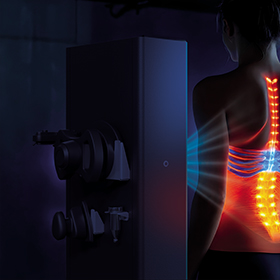



CIBODY redefines Posture Analysis Services by providing a holistic, medical-grade diagnostic ecosystem for physiotherapy and rehabilitation centers. As an ISO 13485 certified and UTS-registered device, it allows clinics to offer high-revenue, non-surgical solutions for musculoskeletal issues. By integrating AI Posture Analysis with automated reporting, our system ensures that patients receive a transparent and evidence-based assessment of their spinal and postural health.
These premium services are powered by our flagship Posture Analysis Device, enabling therapists to combine millimetric diagnostics with specialized treatment pathways, including manual therapy support and customized exercise planning.
By incorporating a Spine Posture Analysis System into your practice, you provide a Posture Analyzer experience that sets your clinic apart. Whether it is a Body Posture Analyzer assessment or a comprehensive Postural Analysis App review, CIBODY’s Posture Analysis Services ensure millimetric accuracy, patient comfort, and a significant increase in clinical turnover.

Don’t just diagnose; dominate! Use AI for GTO and fascia release. Create elite exercise plans that bridge the gap from analysis to expert care.

Stop losing patients! Convert leads instantly with free analysis. Turn objective data into high-value sales and watch your clinic's profit soar.

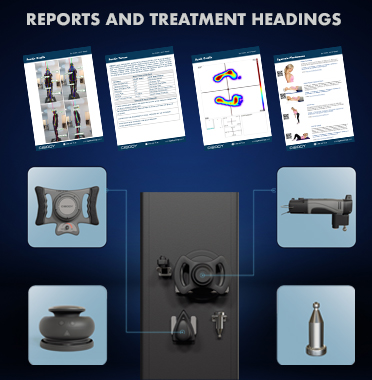


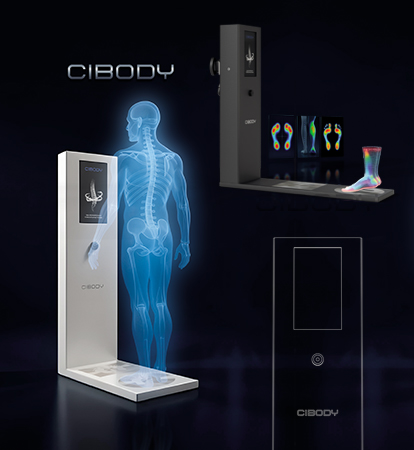
From posture and foot analysis to therapy and exercise planning, CIBODY covers the entire clinical workflow in a single session.
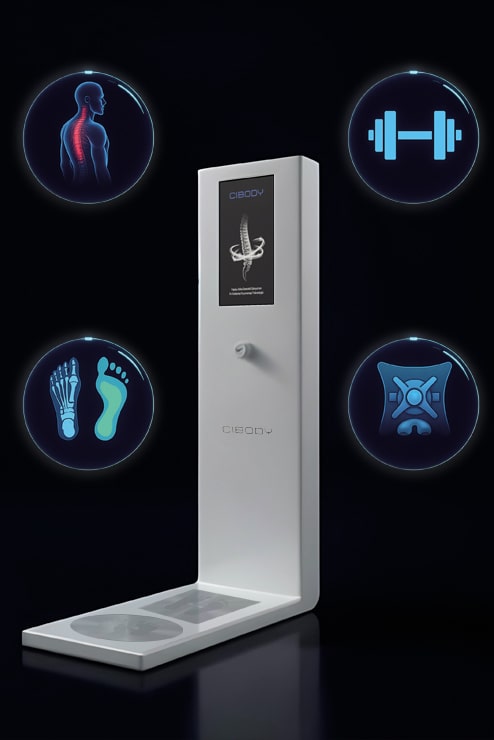

Trusted Solution by 15+ Professionals
Quickly find answers to your questions about CIBODY's usage, analysis, and therapy processes.
CIBODY analyzes posture, foot alignment, and gait using AI-powered digital measurement technology. It supports physiotherapists with objective analysis, manual therapy guidance, and personalized exercise planning in a single system.
CIBODY is designed for physiotherapy clinics, rehabilitation centers, hospitals, sports performance centers, and healthcare professionals who want to improve assessment accuracy and treatment efficiency.
Yes. CIBODY is developed as a professional medical device for clinical environments and supports evidence-based assessment and treatment workflows used by healthcare professionals.

Since I started using CIBODY, my patients’ trust and my clinic’s prestige have noticeably increased. The analyses are fast, the exercises are clear, and it makes my work much easier.
Manual therapy and exercise planning are now much more practical. Thanks to CIBODY, my processes have accelerated, and patient satisfaction has visibly increased.
CIBODY has transformed how we perform posture analysis and foot analysis in our physiotherapy clinic. The digital measurements are objective and reliable, and the exercise planning module allows us to create personalized programs much faster. It has become an essential part of our daily clinical workflow.
CIBODY takes your clinic into the future with AI-powered analysis, manual therapy support, and exercise planning. It instills confidence in your patients, saves you time, and makes a difference in treatment processes.
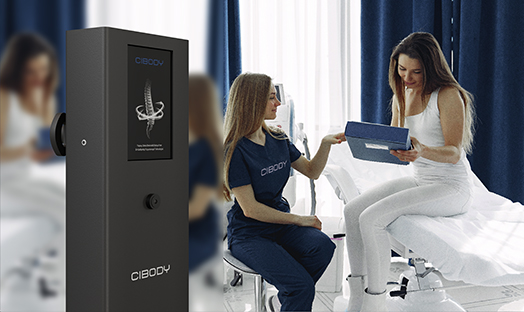

Minimizes errors with AI-powered measurements.

Provides accurate assessment and effective solutions with personalized data.

Enhances treatment efficiency with muscle-relaxing therapy module heads.

Generates a personalized plan for the patient within seconds based on analysis data.
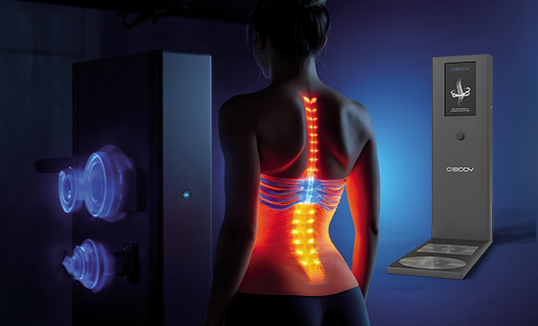
Buy CIBODY
Add lasting value to your clinic by purchasing CIBODY. Make a difference with long-term gains, a strong brand image, and full ownership benefits.
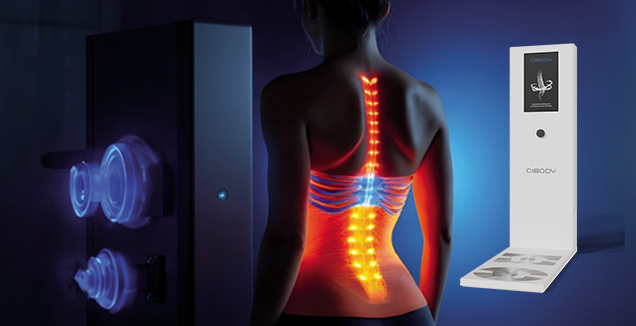
Rent CIBODY
Access CIBODY technology immediately without straining your budget. Gain high efficiency at low cost with our flexible rental model.

Safe technology approved to European standards.

Compliant with medical device management systems.

Registered and approved safe device by the Ministry of Health.

Completely domestically produced with national engineering expertise.